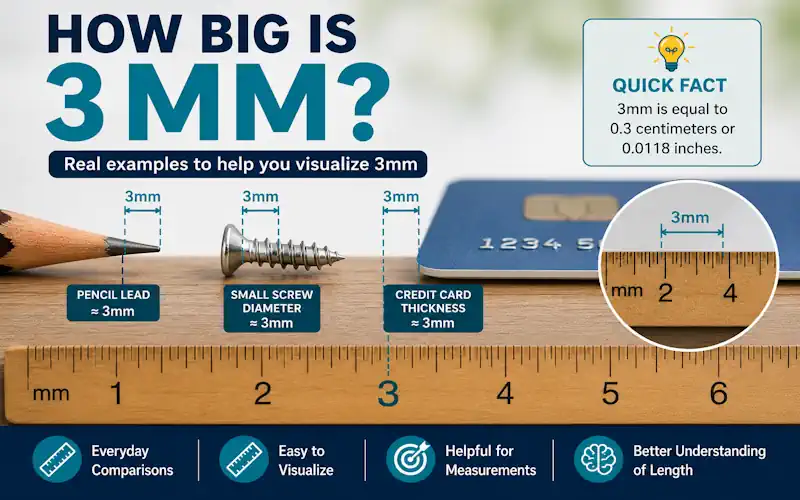
Quick answer: 3mm equals 0.3 centimeters or 0.118 inches. It’s about as thick as two stacked credit cards, a phone charging cable, or a small jewelry bead tiny, but still easy to feel between your fingers.
3mm might sound too small to matter, but it shows up constantly in everyday life in cables, jewelry, screws, buttons, and craft supplies. Without a ruler in hand, though, picturing exactly how small it is can still be tricky.
That’s where comparing it to familiar objects helps. This guide breaks down the exact conversion, shows you simple ways to estimate 3mm without any tools, and walks through 12 everyday things that are close to this size.
3mm Conversion Chart
| Unit | Converted Value |
|---|---|
| Centimeters | 0.3 cm |
| Inches | 0.118 in |
| Micrometers | 3000 µm |
| Meters | 0.003 m |
Need to convert a different size? Try our length converter for instant results with any number.
Common Things That Are About 3mm in Size
| Common Item | Approximate Size |
|---|---|
| Two stacked credit cards | 3mm |
| Pencil tip diameter | 3mm |
| Small button thickness | 3mm |
| Grain of rice thickness | 3mm |
| Coin stack | 3mm |
| Tiny screw head | 3mm |
| Jewelry bead | 3mm |
| Earphone wire thickness | 3mm |
| Phone charging cable | 3mm |
| Mechanical pencil tip guard | 3mm |
| Small LEGO piece thickness | 3mm |
| Thin craft foam sheet | 3mm |
How Big Is 3mm, Really?
3mm is one of those small measurements that quietly shows up everywhere in electronics, jewelry, tools, and craft supplies without most people ever measuring it directly. In numbers, 3mm works out to 0.3 centimeters or 0.118 inches.
It may be tiny, but it’s not invisible. You can see and feel 3mm clearly with your fingertips. This length measurement guide helps put that small size into perspective, whether you’re checking cable thickness, bead diameters, screw heads, or paper and foam thickness.
Because it’s such a small measurement, the fastest way to understand how big 3mm actually is comes down to comparing it with things you already handle every day:
- Two stacked credit cards land almost exactly at 3mm thick
- A small jewelry bead is often close to this size
- Some phone charging cables measure around 3mm
- A single grain of rice is close to this thickness
- Tiny screw heads frequently come in around 3mm

12 Everyday Things That Are About 3mm
1. Two Stacked Credit Cards
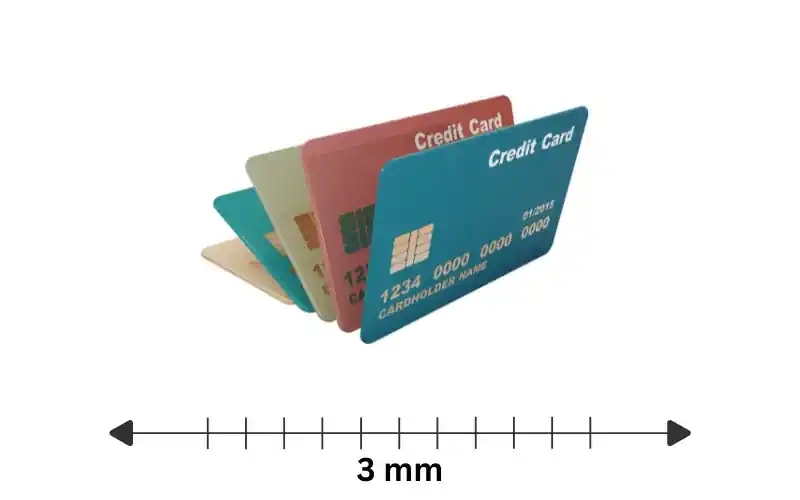
A single credit card is roughly 1.5mm thick, so stacking two together brings you right up to about 3mm. Since almost everyone carries a card in their wallet, it’s one of the quickest ways to picture this size without pulling out a ruler.
2. Pencil Tip Diameter
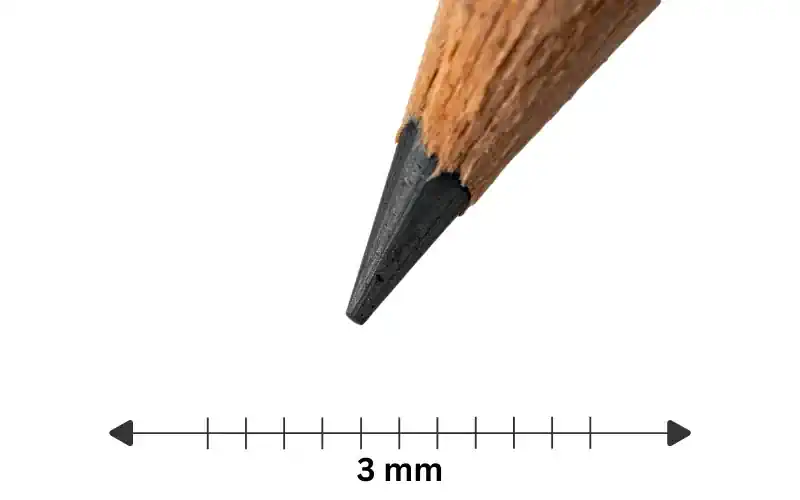
Thicker pencil leads and some mechanical pencil tip guards measure close to 3mm across. Since pencils sit on nearly every desk, the tip offers a simple, close-up way to see just how small this measurement really is.
3. Small Button Thickness
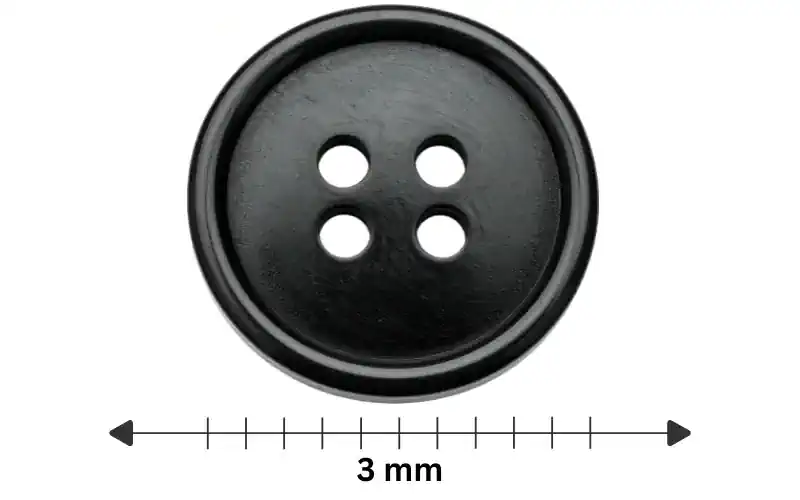
Certain shirt and craft buttons measure roughly 3mm thick. Buttons make an easy comparison because they’re small, familiar, and simple to hold up and examine in your hand.
4. Grain of Rice Thickness
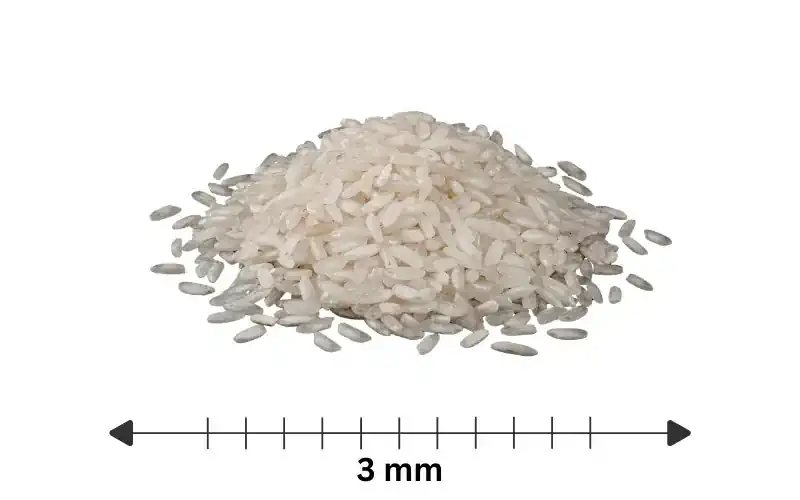
A single grain of rice is often close to 3mm thick. Since rice is a pantry staple almost everywhere in the world, it’s a quick, universally recognizable reference for this size.
5. Coin Stack
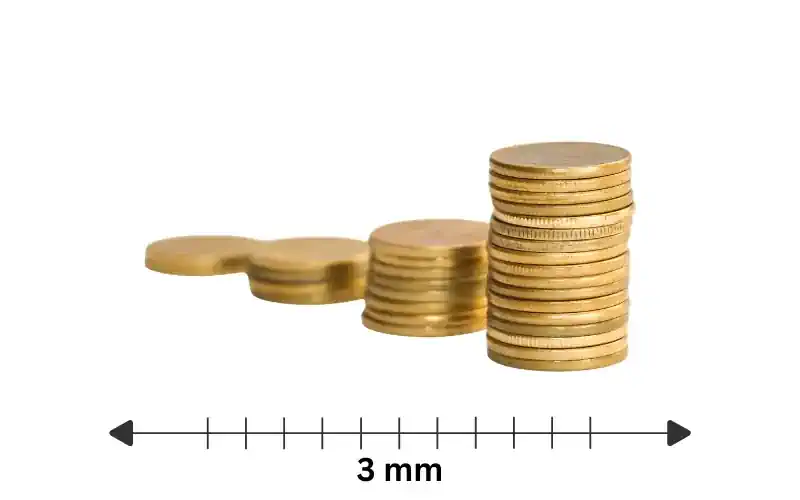
Stack a few thin coins on top of each other and you’ll land close to 3mm in total thickness. Because coins are rigid and uniform, they make it easy to compare depth and thickness side by side.
6. Tiny Screw Head
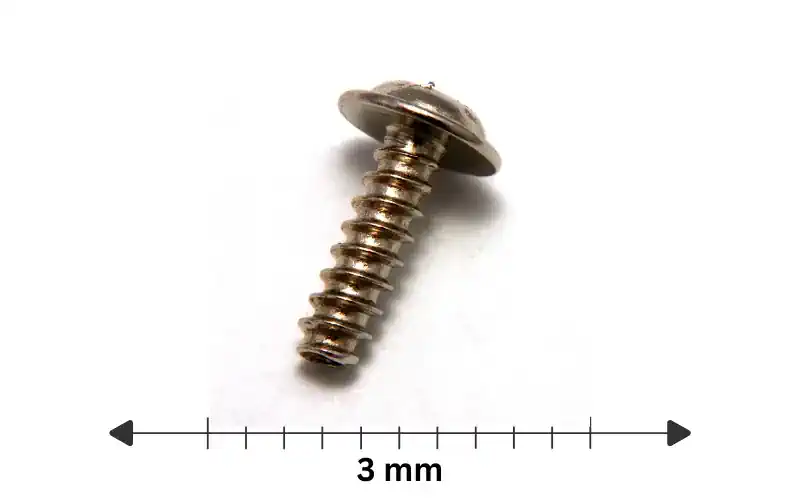
Miniature screws used in eyeglasses and electronics often have heads that measure close to 3mm wide. These small, precisely manufactured parts show just how often this measurement appears inside the devices we use daily.
7. Jewelry Bead
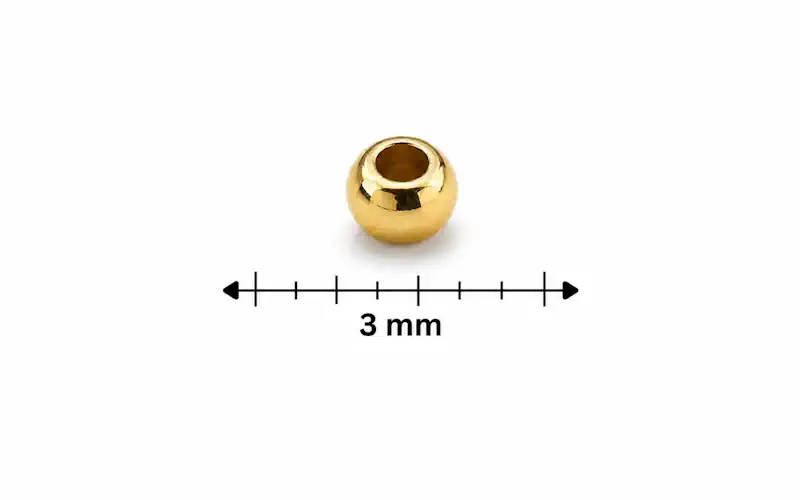
Small round beads used in bracelets, necklaces, and other craft projects are commonly close to 3mm in diameter. Their smooth, rounded shape makes it easy to picture the scale of this measurement at a glance.
8. Earphone Wire Thickness
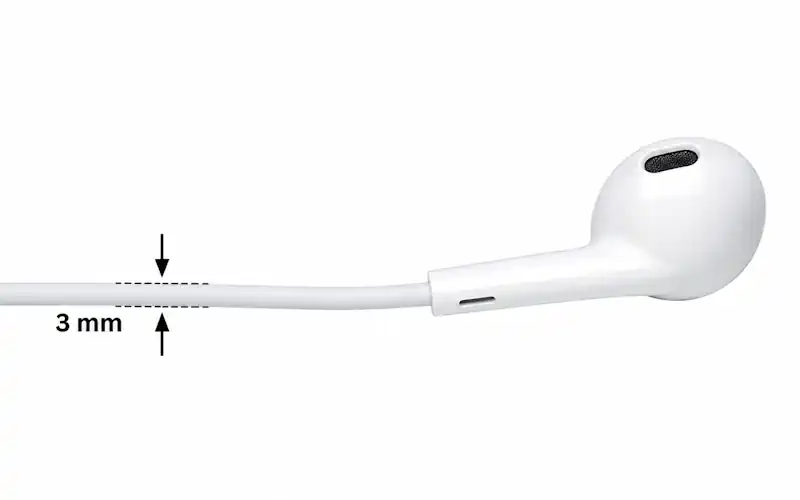
Some earphone and thin electronic cables measure around 3mm thick. Since headphones are something most people use daily, this comparison builds a strong, immediate mental picture of the size.
9. Phone Charging Cable
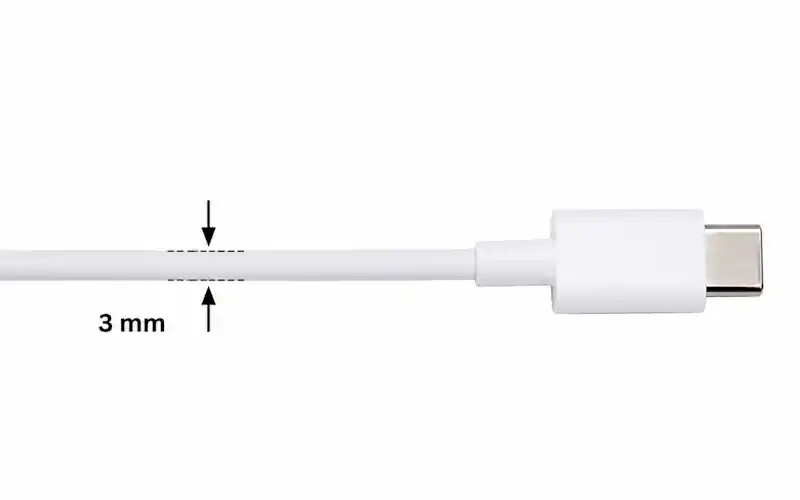
Many phone charging cables come in at roughly 3mm thick. Because charging cables get handled constantly, their thickness is one of the easiest modern comparisons to remember.
10. Mechanical Pencil Tip Guard
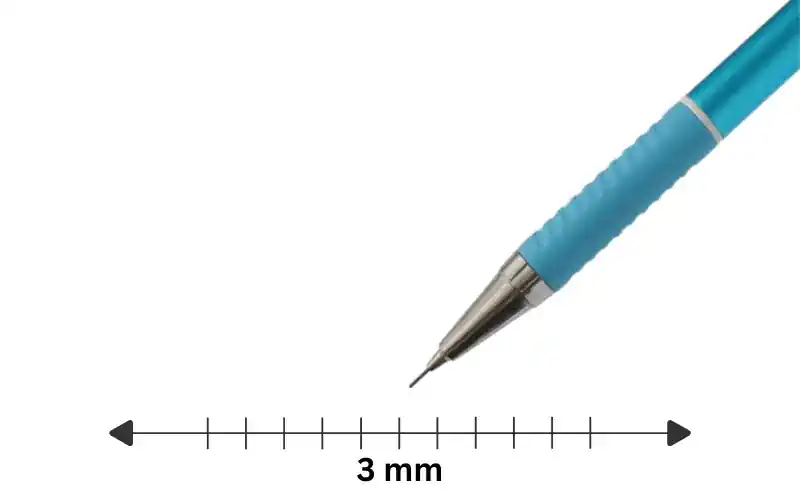
The narrow metal guard at the tip of many mechanical pencils measures close to 3mm wide. Its straight, precise shape makes it a particularly clear reference when examined up close.
11. Small LEGO Piece Thickness
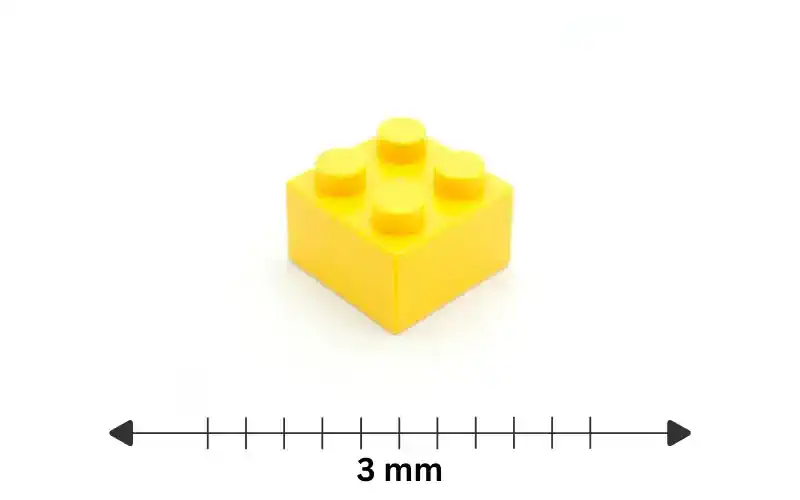
Some of the thinner LEGO pieces measure around 3mm thick. Since LEGO bricks are recognizable to both kids and adults worldwide, they offer a fun, relatable way to picture small measurements.
12. Thin Craft Foam Sheet
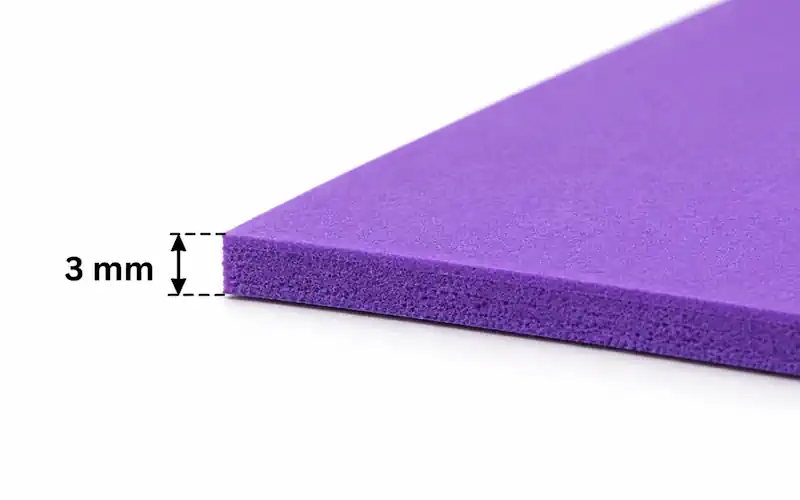
Thin foam sheets used in school projects and DIY crafts often measure around 3mm thick. Their soft, flexible texture gives a different kind of comparison than rigid objects like coins or screws.
What Does 3mm Look Like Next to Everyday Objects?
Putting 3mm side by side with familiar items makes the size much easier to place:
- Slightly thicker than a single grain of rice
- About the same as two stacked credit cards
- Close to the thickness of many charging cables
- Similar to the diameter of a small jewelry bead
- Around the width of a tiny screw head
How to Estimate 3mm Without a Ruler
When there’s no measuring tool around, a few everyday objects can help you estimate 3mm quickly:
- Stack two credit cards together
- Compare it with a phone charging cable
- Look closely at a grain of rice
- Use a small jewelry bead as a reference
- Compare it with a tiny screw head
These tricks come in handy while shopping online, working on crafts, or tackling a quick DIY project.
Common Misconceptions About 3mm
“3mm is basically invisible.” It’s small, but far from invisible 3mm is easy to see and feel with your fingertips once you know what to compare it to.
“Millimeters are hard to picture.” Millimeters feel abstract mainly because we rarely compare them to real objects. Once you connect 3mm to something familiar, like a stacked pair of credit cards, it clicks quickly.
“Tiny measurements don’t really matter.” Small sizes like 3mm are actually critical in fields like electronics, jewelry making, engineering, and crafting, where a millimeter of difference can change how well something fits or functions.
Frequently Asked Questions
3mm is approximately 0.118 inches.
It looks about as thick as two stacked credit cards or a small phone charging cable.
A grain of rice is close in thickness to 3mm, making it a handy, universal comparison.
3mm is a small measurement overall, but it’s still clearly noticeable and used often in everyday objects.
Charging cables, jewelry beads, tiny screw heads, thin foam sheets, and stacked credit cards are all common examples.
Compare it with two stacked credit cards, a charging cable, or a single grain of rice for a fast, reliable estimate.
Conclusion
3mm equals 0.3 centimeters or 0.118 inches, and while it’s a tiny measurement, it shows up constantly in cables, jewelry, buttons, screws, and craft materials. By comparing it to things you already recognize, like stacked credit cards, charging wires, and grains of rice, this small size becomes much easier to visualize and estimate confidently, even without a ruler in hand.